Platinum Wedding Set
Every once in a while, I get asked if silver is appropriate for wedding rings. Silver certainly isn’t the customary, go-to metal, but is it appropriate? Depends on one’s point of view.
Traditional Metals are Gold and Platinum
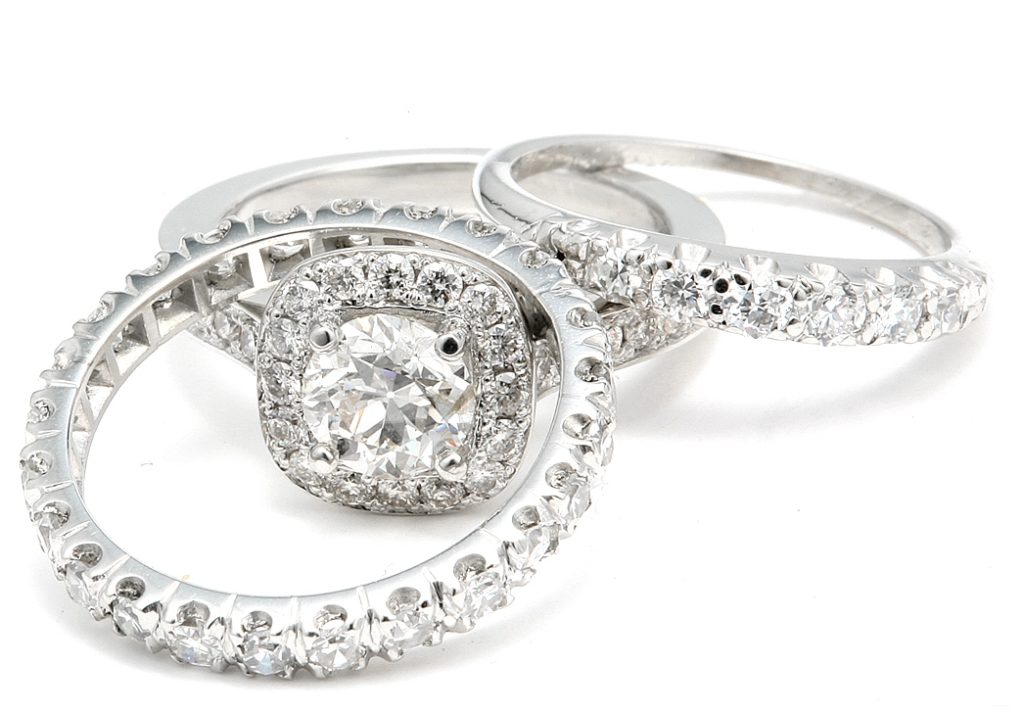
Platinum and White Gold Rings Make up This Wedding Set
90% of all wedding rings are made out of gold or platinum. Yeah, I made that up. It’s 100% for me, but I know other areas of the country embrace other alternative metals. Gold and platinum are the traditional, time-honored, and accepted metals.
No other substance comes close. No other metals are so intimately connected to the bond of marriage than these.
Over the years, gold and platinum wedding rings have come to symbolize the union between husband and wife. It’s almost as if these metals strengthen the connection between the two, like some sort of talisman or good luck charm. As long as they wear their rings, their marriage will endure.
These days silver doesn’t represented this union. It just doesn’t.
Still interested in bucking tradition? Read on.
The Hardness of Silver vs. Gold and Platinum
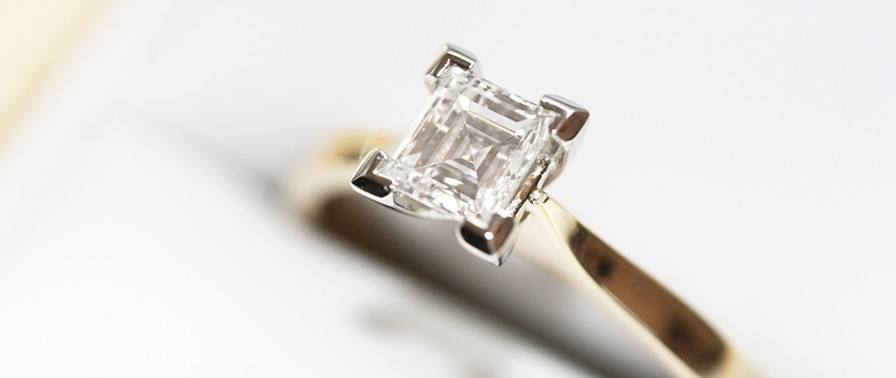
Platinum Prongs
Image – Serendipity Designs
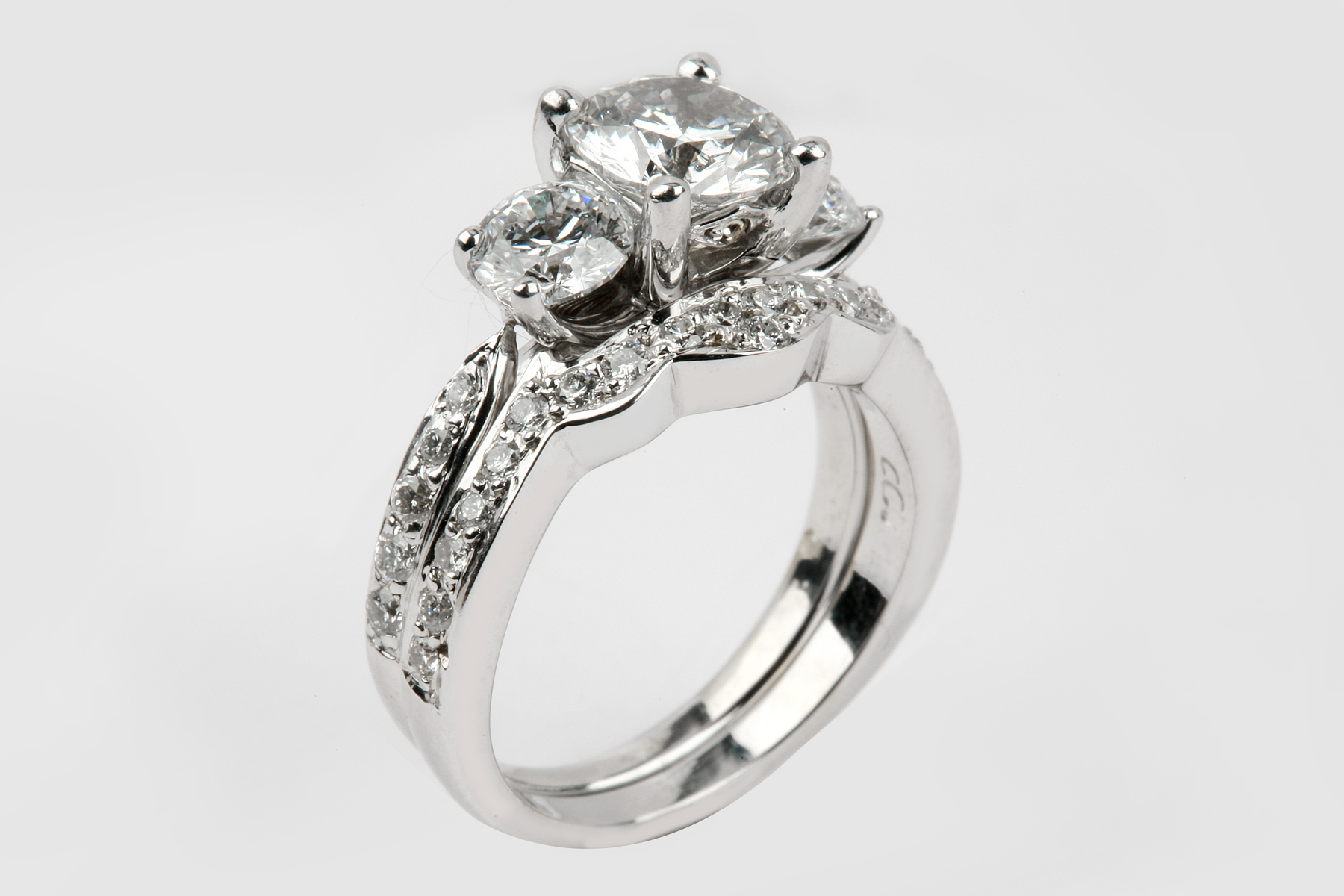
Silver is a soft metal. Which means it wears down much faster than platinum or karat gold. This is especially critical with settings that hold precious gemstones.
Grandma’s platinum ring will last generations. Her old sterling silver ring…not as long. I would never trust silver prongs to hold a valuable gem.
Most platinum rings are 90 to 95% pure platinum. The metal is hard enough in its natural state without the need of much alloying for jewelry making. 14 karat gold is alloyed and hardened with 58% alloy metals as it is naturally softer in its pure state. It is a wonderful metal to work with for jewelry making.
Casting Issues with Silver vs. Gold and Platinum
Fresh Successful Casting of White Gold Before First Polish with Gems Laid on Top Loosely
Silver rings tend to show more porosity than gold or platinum. Porosity describes tiny pits inside and on the surface of jewelry. These happen during the casting process are due to poor casting techniques or bad luck.
Casters have a harder time dealing with silver than they do with gold and platinum. My purpose isn’t to bore you with lots of technical jargon explaining why this is. It just is. Trust me.
Tarnishing of Silver vs. Gold and Platinum
Silver tarnishes. Gold doesn’t tarnish. And platinum doesn’t either. Again, I won’t bore you with lots of technical analysis of why this is. It just is.
Joshua’s Custom Design Story – He Asked for Silver
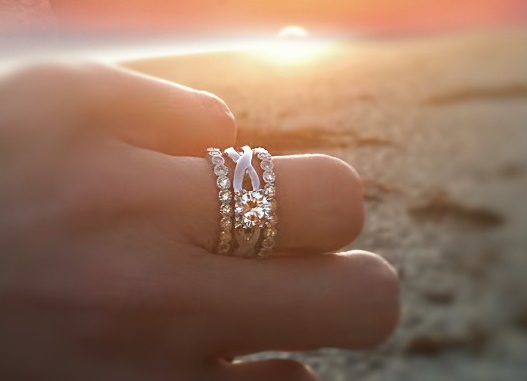
Beautiful Wedding Set in White Gold
A man named Joshua in Kentucky called a while back who wanted to create a custom wedding ring. I told Joshua the design and waxing would cost about $500. Setting the diamonds would cost another $150. The diamonds were the big expense and would set him back around $5500. Casting the ring in 14k would cost about $800. Considering what he wanted, my pricing was very reasonable.
He called back a day later—had probably been talking with his banker—and asked if we could save money by casting the ring in silver. I explained about the metal’s inherent softness and habit of tarnishing. Setting his beautiful diamonds in $50 worth of silver would not be a good idea. Unless of course, he didn’t mind replacing them every couple years or so.
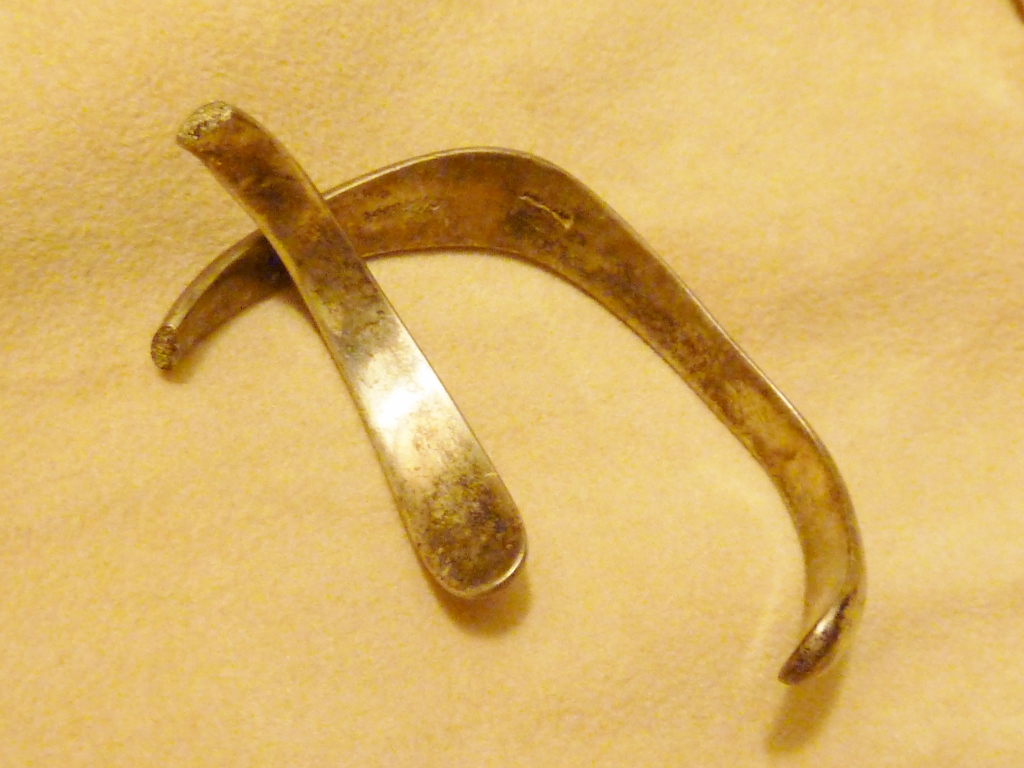
Tarnished Sterling Silver
Joshua chuckled and said, “You had me at tarnishing, but I was enjoying the ride.” We cast his ring up in 14kt white gold. Later, he emailed me pictures of the beautiful ring on his beaming bride’s finger.
He added that she’d just about flipped-out when he’d originally suggested they make the ring in silver. “Are you out of your frikken mind, Joshua?” she’d said. “I’m sorry, honey, but no way are those diamonds running around the rest of my life in silver.”
My Opinion on Your Best Metal Choices for Your Engagement Ring
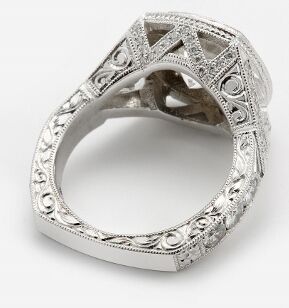
White Gold With Hand Engraving